RESERVOIR
04.03 - 08.03.2026
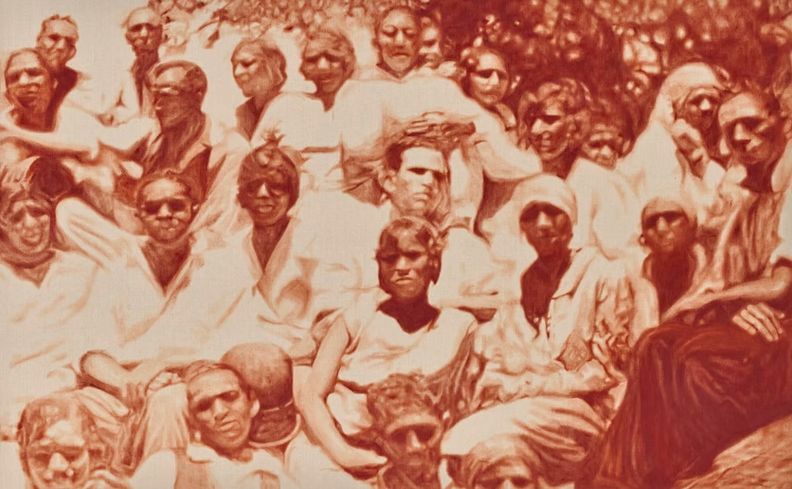
For ARCO Madrid 2026 (4-8 March), Spain’s International Contemporary Art Fair in its 45th edition, RESERVOIR presented a solo project by South African artist Marsi van de Heuvel. Working predominantly in oil on canvas, Van de Heuvel engages with histories of displacement and erasure through painterly reconstructions of found archival photographs.
Her project included works from her ongoing ‘Skoonveld’ series (translated literally as “clean field,” and colloquially as “lost without a trace”), which draws on demolished neighbourhoods across South Africa destroyed under Apartheid’s Group Areas Act, including District Six, but also Van de Heuvel’s own family evictions in Upington and Graaff-Reinet.
Through this work, the artist explores ideas of belonging to a place, a family, and a culture by investigating and reinterpreting the photographs taken by her maternal grandmother and other family members during apartheid. These photographs show ordinary families as they wish to be seen and disturb the memories that we have of the apartheid narratives of subjugation.
We checked in with curator Shona van der Merwe (cofounder of RESERVOIR alongside Heinrich Groenewald), asking her to reflect briefly on the project. Here’s what she had to say:
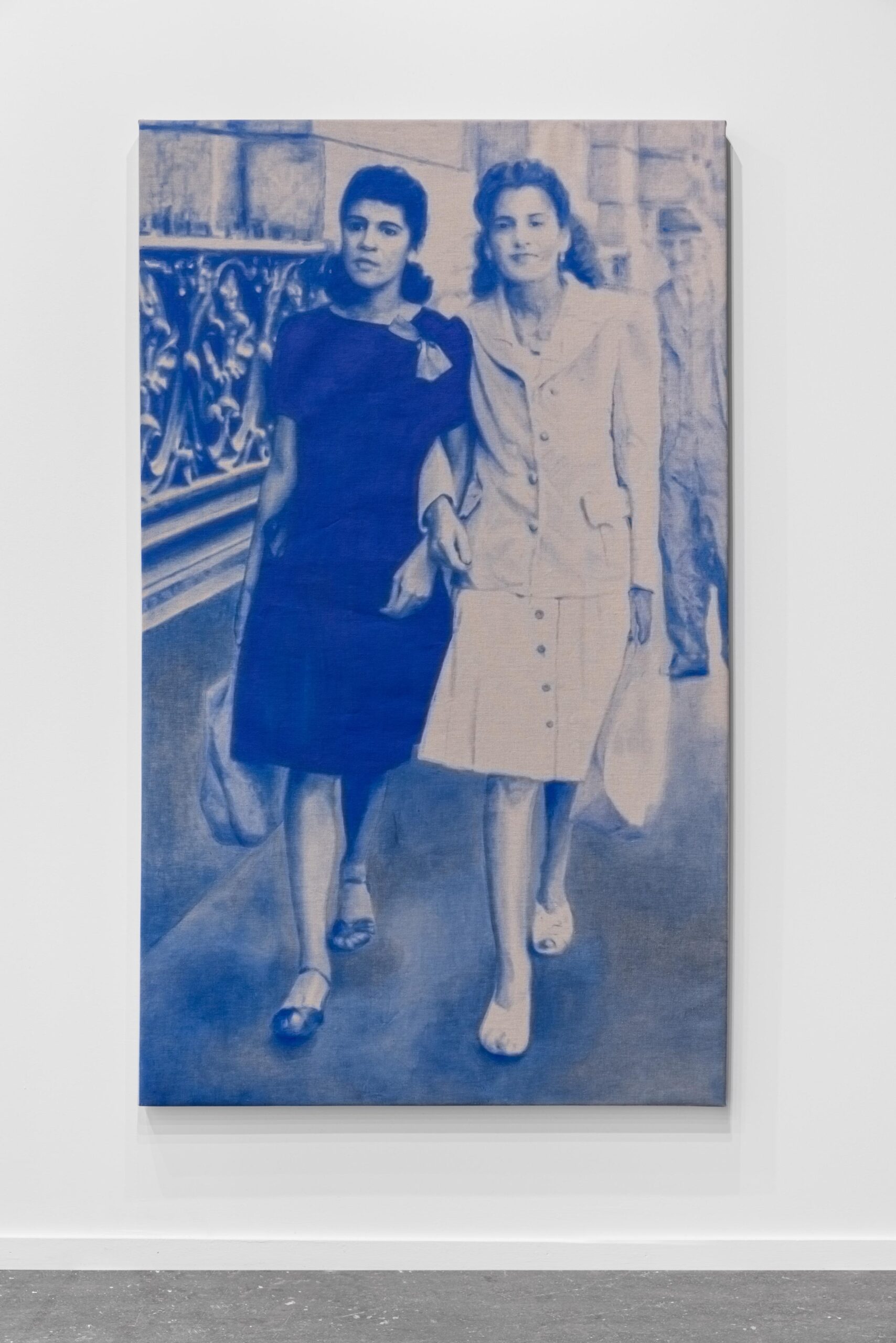
Marsi van de Heuvel, Sisters in Arms, 2026
Presenting Marsi van de Heuvel’s work at ARCO Madrid this week has highlighted how easily the concerns within her practice, and most likely those of other South African artists, can travel beyond South Africa. While the work emerges from the specific histories of apartheid, forced removals, and the complexities of identity, many of the conversations we’ve had here have centred on unexpected resonances with Latin American narratives, and those of the extended global South – particularly around the instability of archives and the long afterlives of colonial classification.
Some of the most rewarding engagements have been with museum foundations, curators, and collectors whose interests lie in practices that grapple with historical erasure and inherited trauma. Marsi’s work is particularly attentive to small gestures of dignity and the silences within the archive, and we believe this unique visual language is the reason for so many thoughtful exchanges with visitors to the booth.
With the theatre of war playing out on our screens and mounting fear around a deeply unsettled global moment, a work like ‘Sisters in Arms’ (2026), for example, has offered quite a compelling point of conversation. Depicting two women walking arm in arm down Darling Street in Cape Town, the work and its title have been an apt reminder that, within conflict and division, art and the spaces where we share it can become powerful platforms for empathy and solidarity.

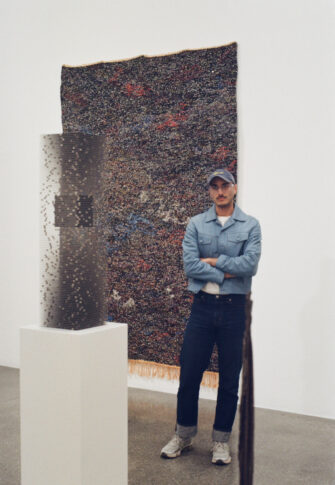
Installation View, Marsi van de Heuvel, ARCO Madrid 2026